Thank you! Your submission has been received!
Oops! Something went wrong while submitting the form.

Your garage slab is the largest piece of bare concrete in the house, and in Phoenix it takes hot tires, oil, grit and summer heat all year. We coat it with a 100% solids epoxy base and two coats of UV stable polyaspartic.
Call (602) 820-7739Licensed • Bonded • Insured · ROC 358358
In business since 2019 · Manufacturer warranty
4.9 star rating from 74 Google reviews
Bare concrete is porous, and in a garage that is the whole problem.
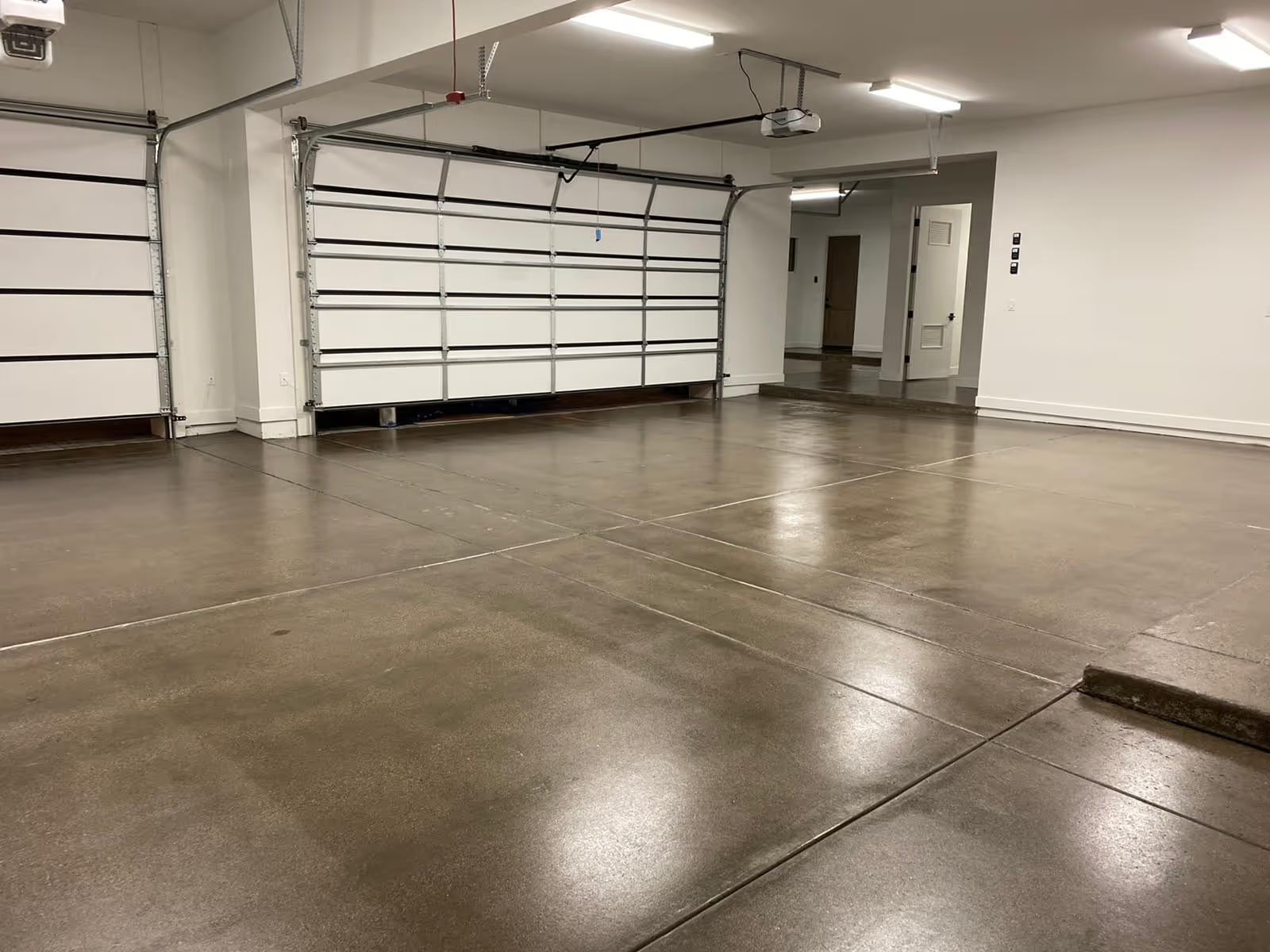
An uncoated slab absorbs whatever lands on it. Oil, brake fluid and battery acid soak in and stain from the inside, where no amount of scrubbing reaches them. The surface itself sheds a fine gray dust that settles on everything stored in the garage, because the top layer of the concrete is slowly abrading away underfoot.
Phoenix adds two more. Tires come off a summer road hot enough to soften a cheap coating and lift it away in patches, which is the failure people mean when they say an epoxy floor peeled. And a garage door open to direct sun puts UV on the first few feet of slab every afternoon. Once the floor is down and the room is clear, overhead racks and wall storage are the usual next job in the same space.
A coating fixes all of that by sealing the concrete rather than covering it. The resin soaks into an opened, ground surface and cures as part of the slab, so there is no seam for water to get under and nothing to lift at the edges. Where a garage has to be back in use quickly, a polyaspartic only system cures fast enough to go down in a single day.
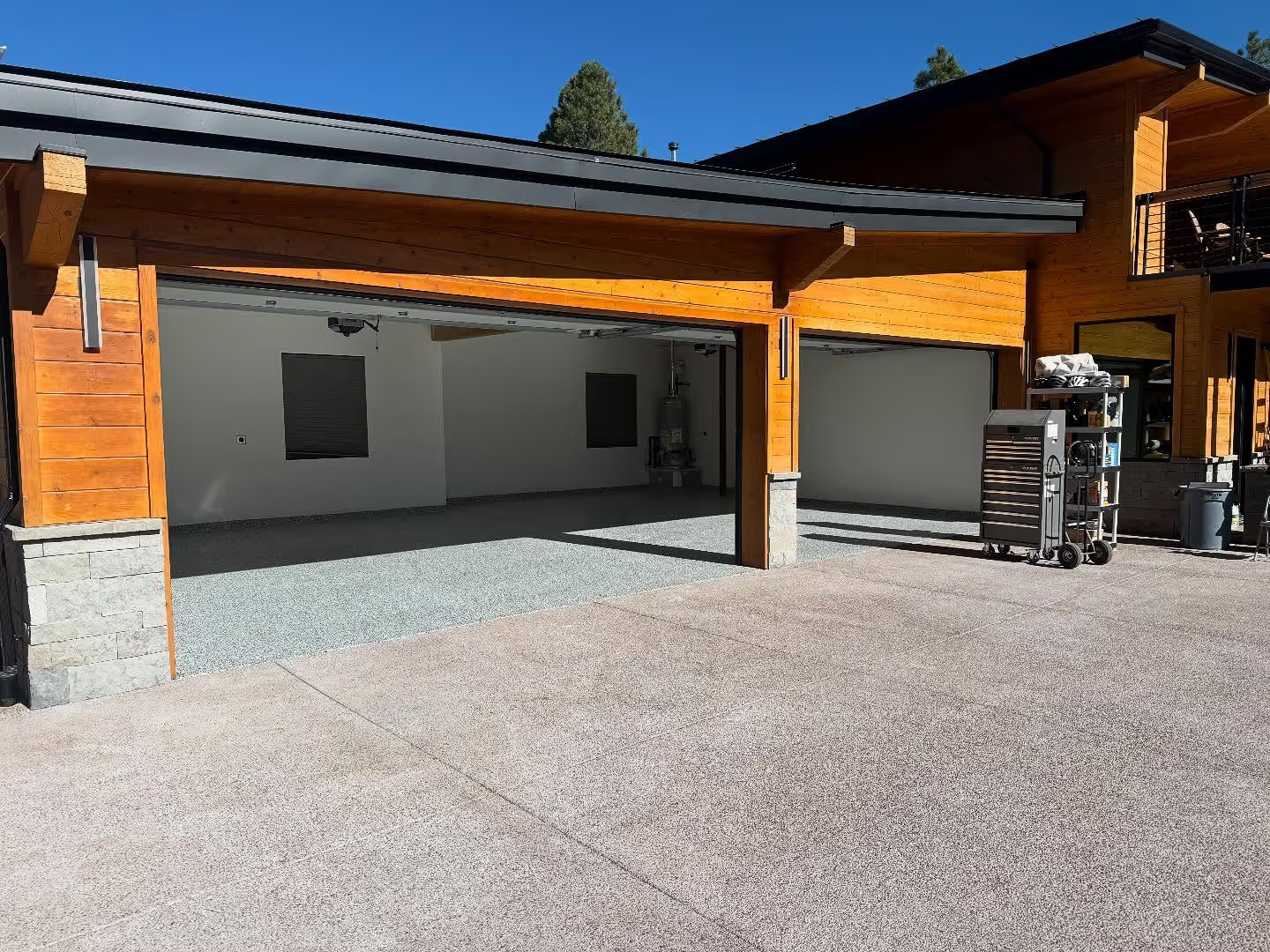
Dialed In Epoxy installs garage floors across Phoenix and the wider valley, in single garages, three car garages, dealership service bays and mechanical workshops.
The build is the same in all of them: mechanical grinding, crack and spall repair, a 100% solids epoxy base, the color layer, then two coats of UV stable polyaspartic. What changes is the color you pick and how much repair the slab needs.
Kevin Coleman founded the business and we install with our own crews. Licensed, bonded and insured, ROC 358358, which you can check with the Arizona Registrar of Contractors before anyone starts work.
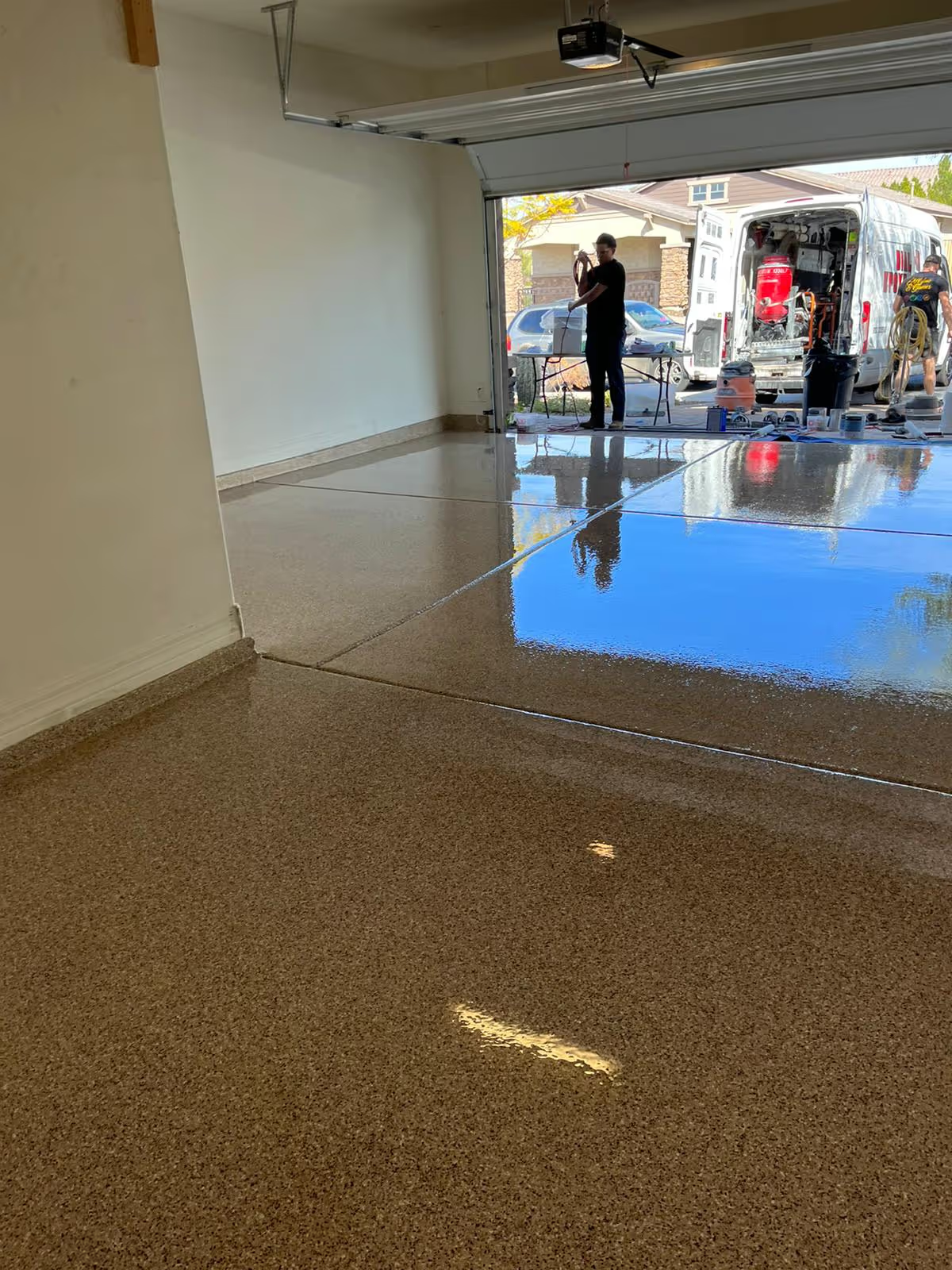
Kevin recently did a great job on a new home project I had. The garage floor came out incredible, he was even willing to help with the schedule working the weekend before I moved in. Great job Kevin we will definitely be working again in the future.
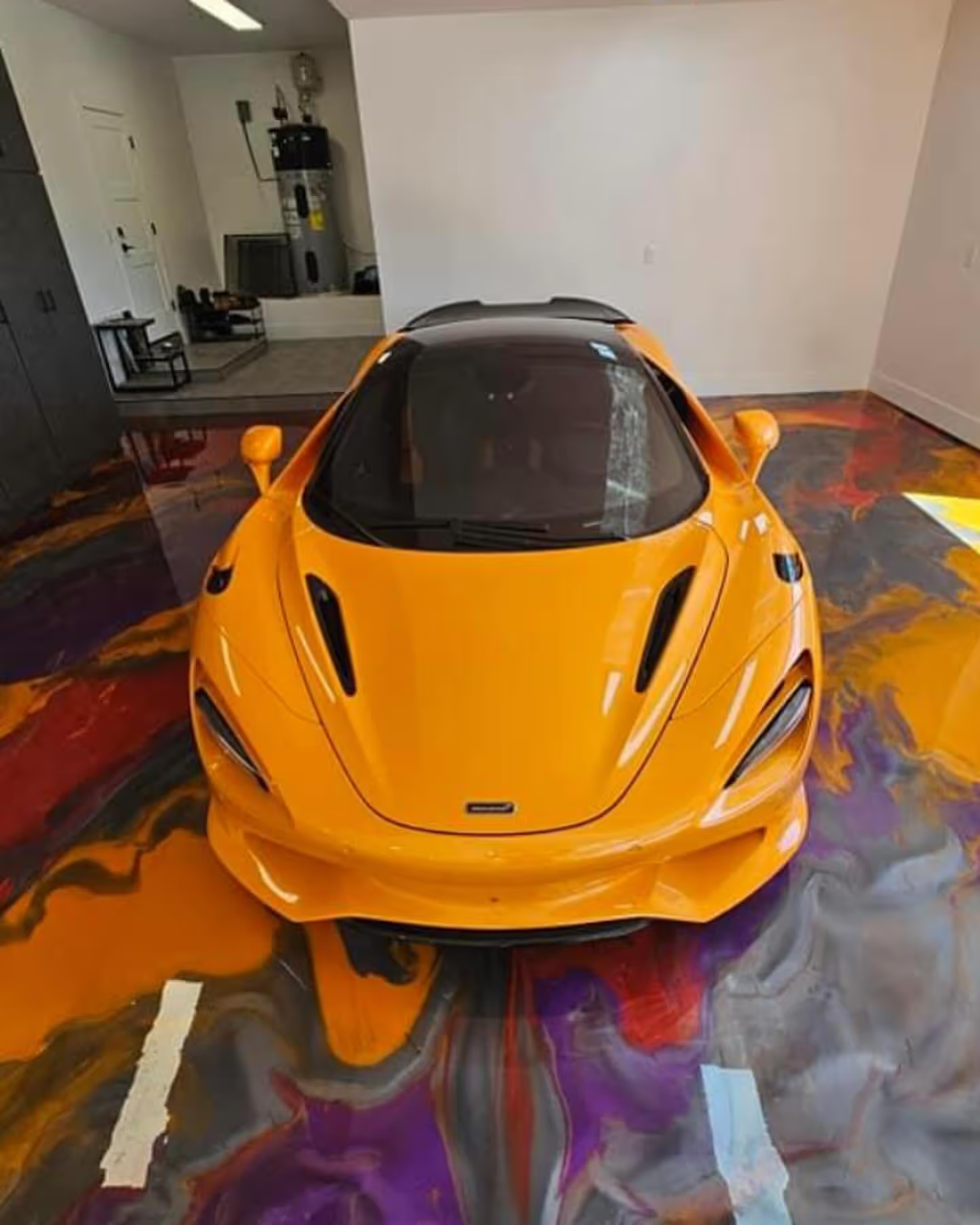
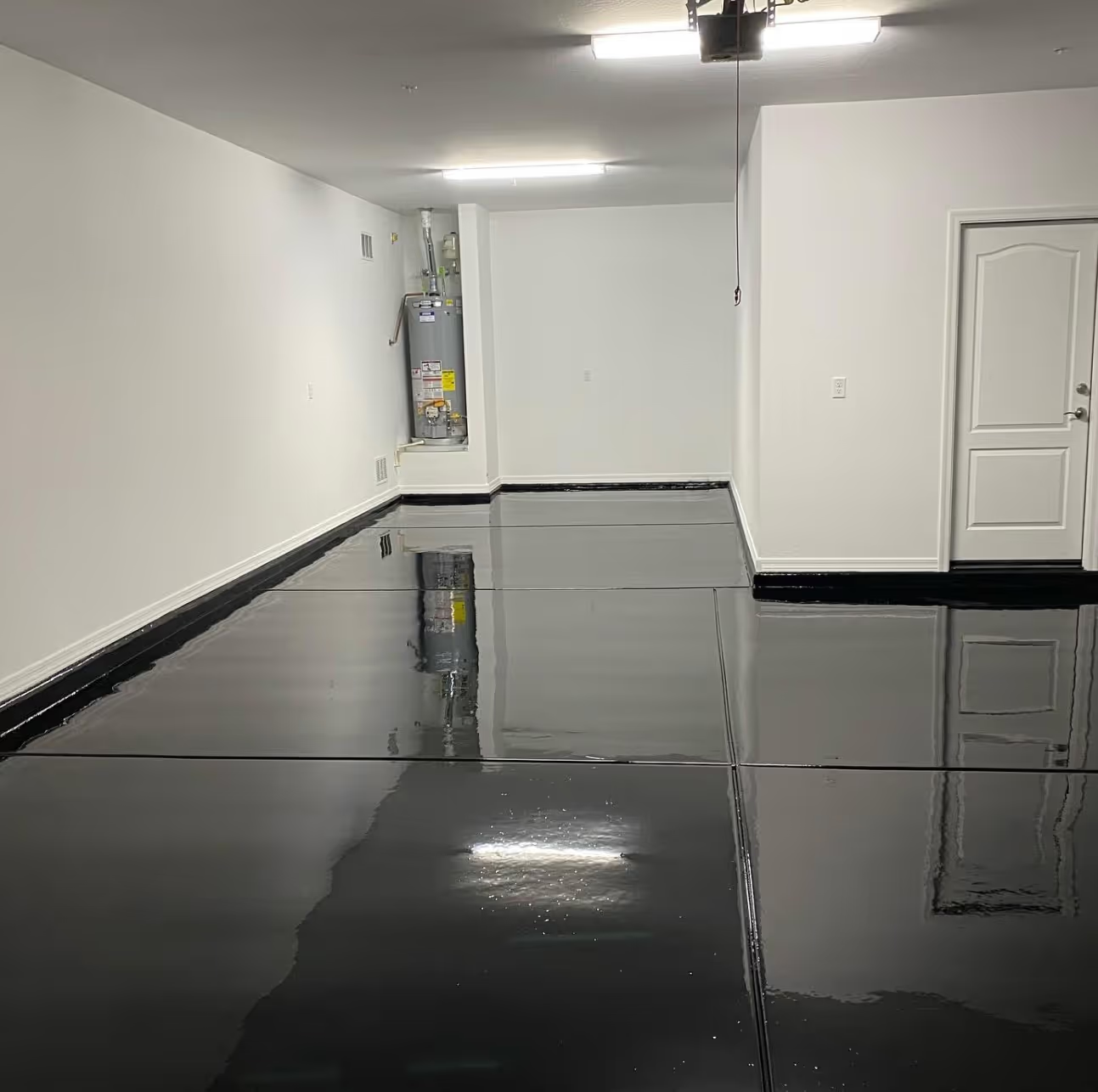
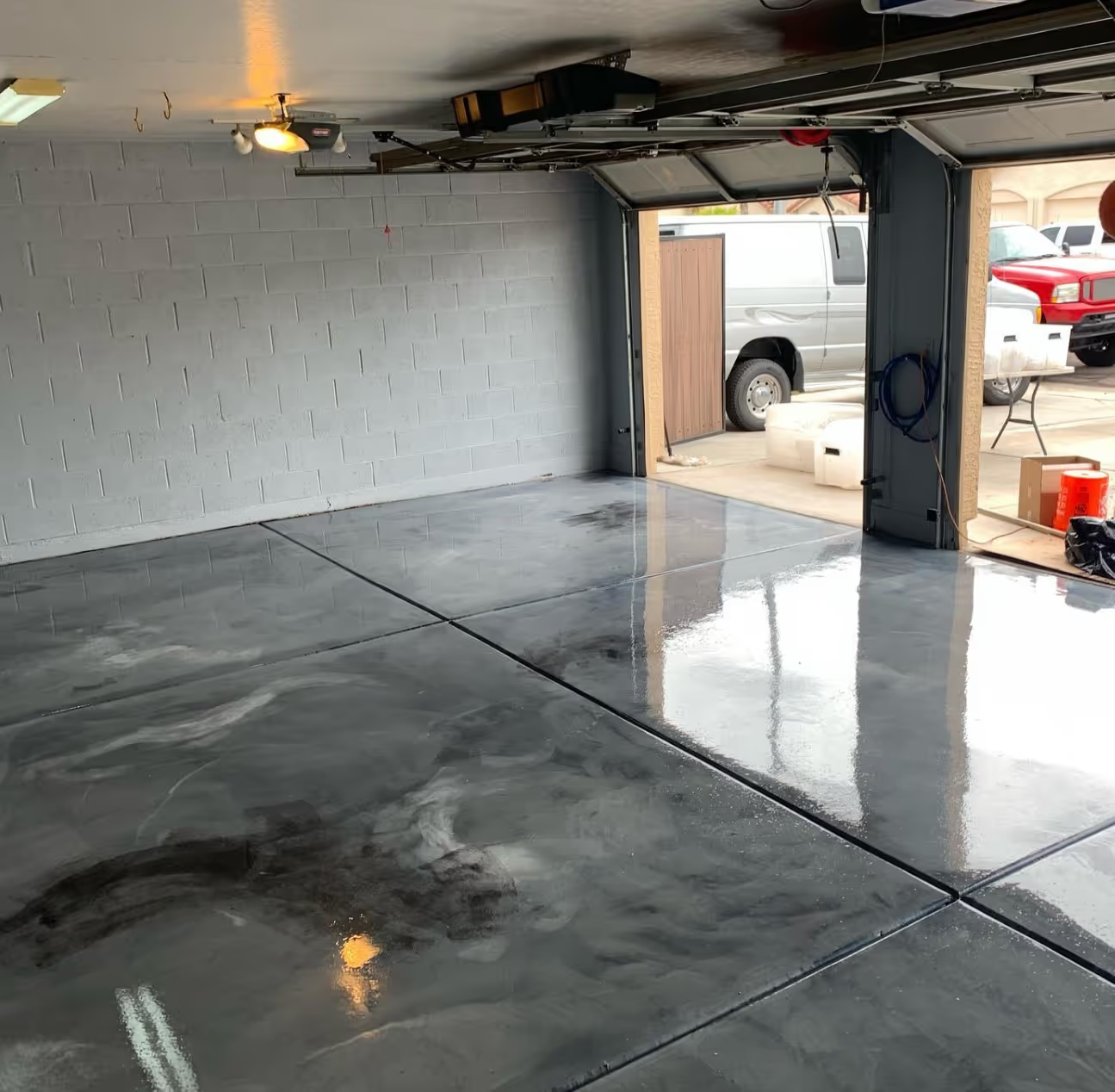
Metallic is the option for a garage that is also a showroom, a car collection or a room you actually spend time in.
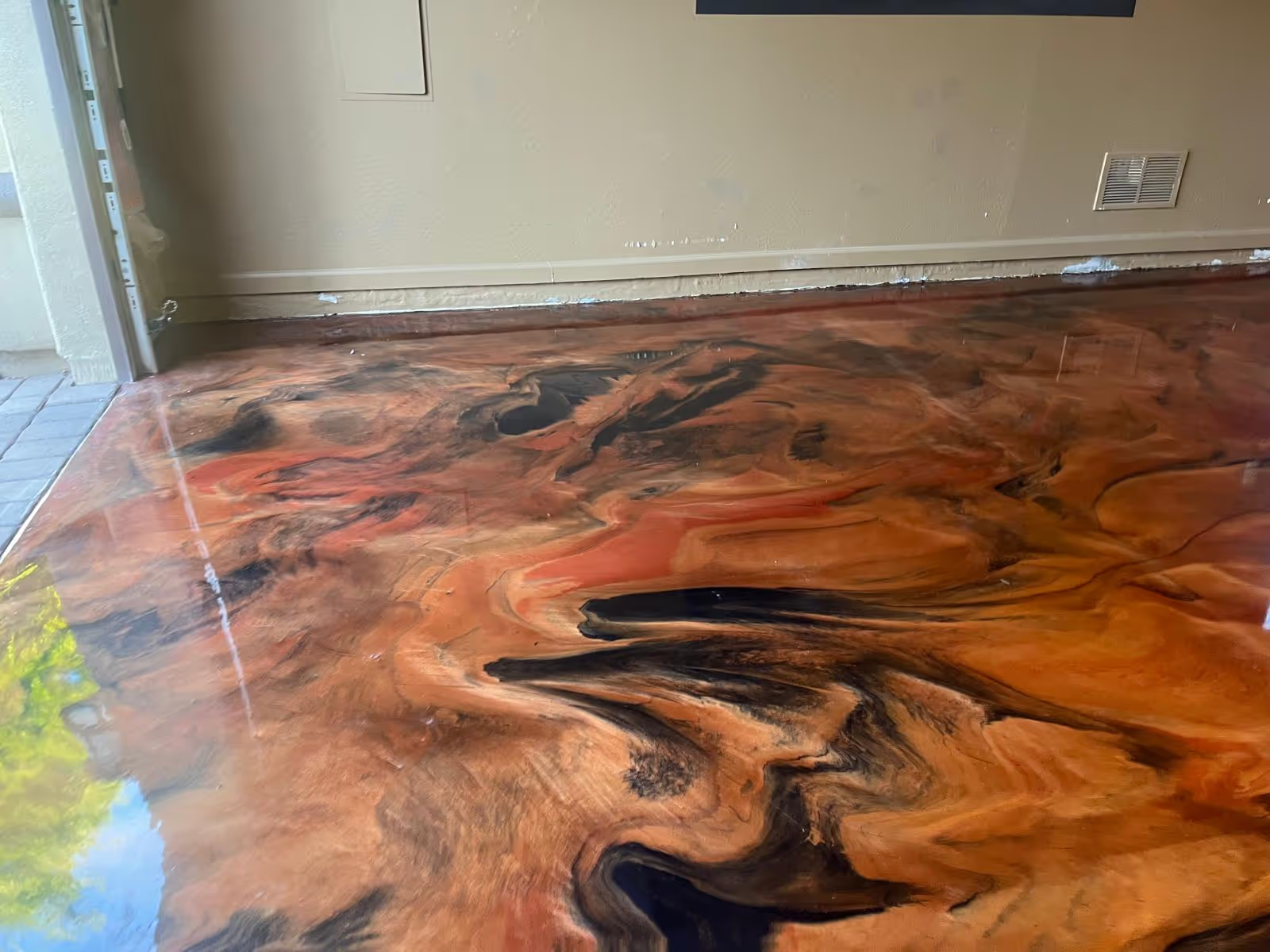
A metallic floor is a pigmented resin coat poured over the base and worked by hand while it is still moving. The pigment separates and pools as it cures, which is what produces the marble, granite and stone effects. It is a finish, not a print, so the pattern goes all the way through the coat.
Because it is worked by hand, no two floors come out the same and none of them can be repeated exactly. Colors can be mixed to sit with your interior or your brand. The same UV stable polyaspartic topcoat goes over it, so a metallic floor cleans and wears the same way a flake floor does.
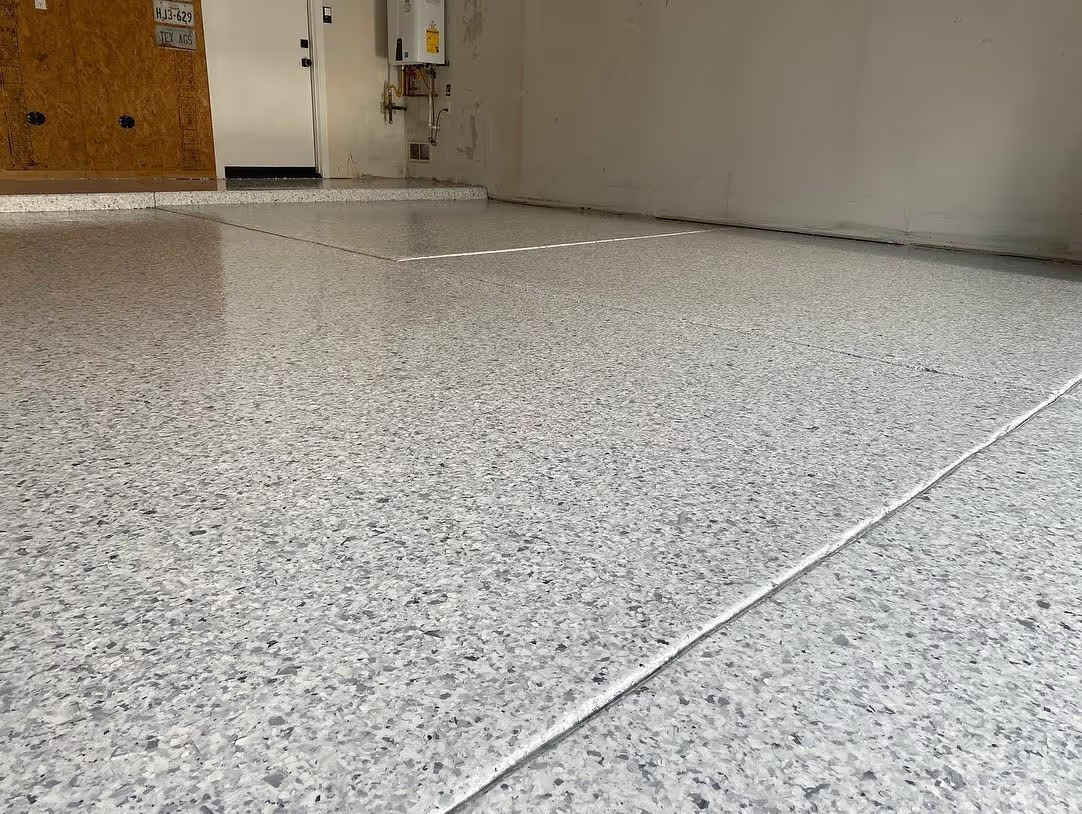
Flake is what most Phoenix garages get, and for most garages it is the right answer.
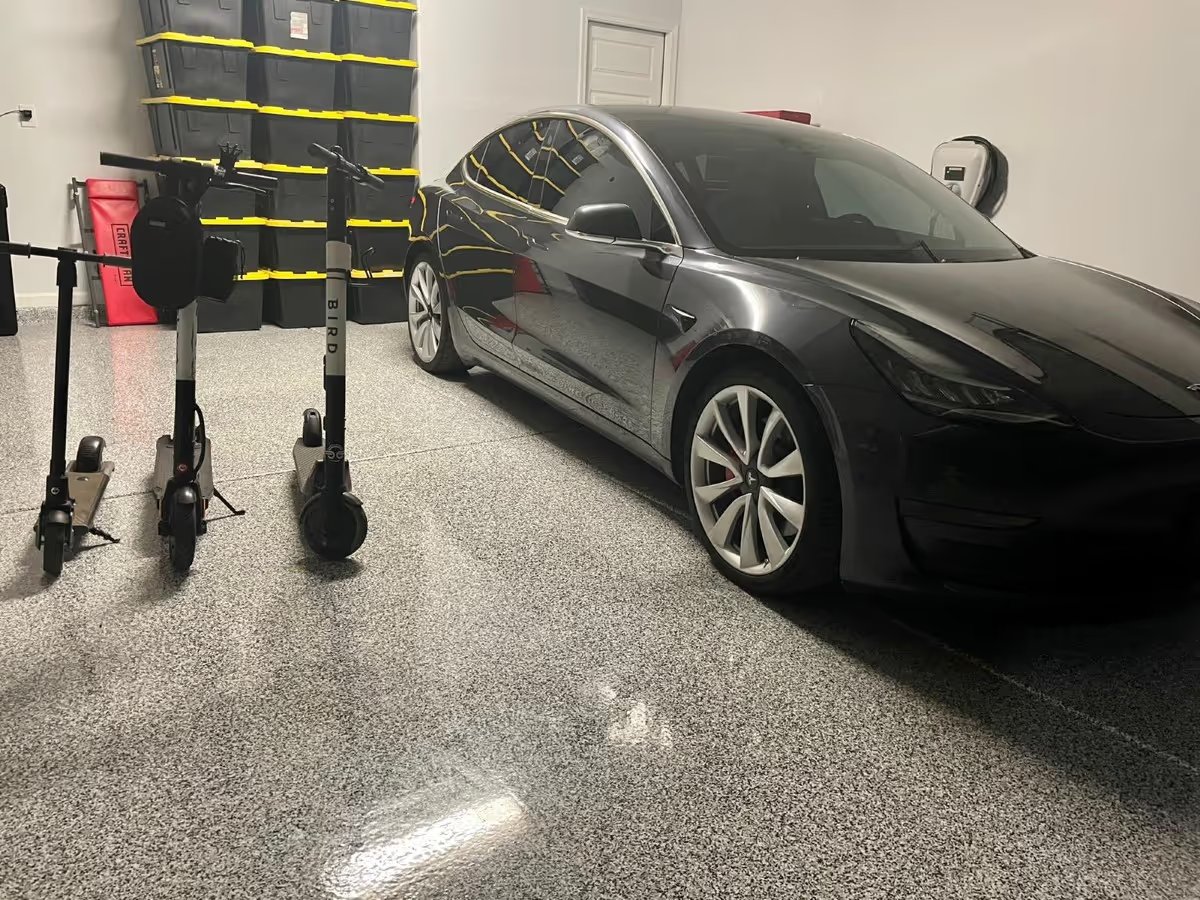
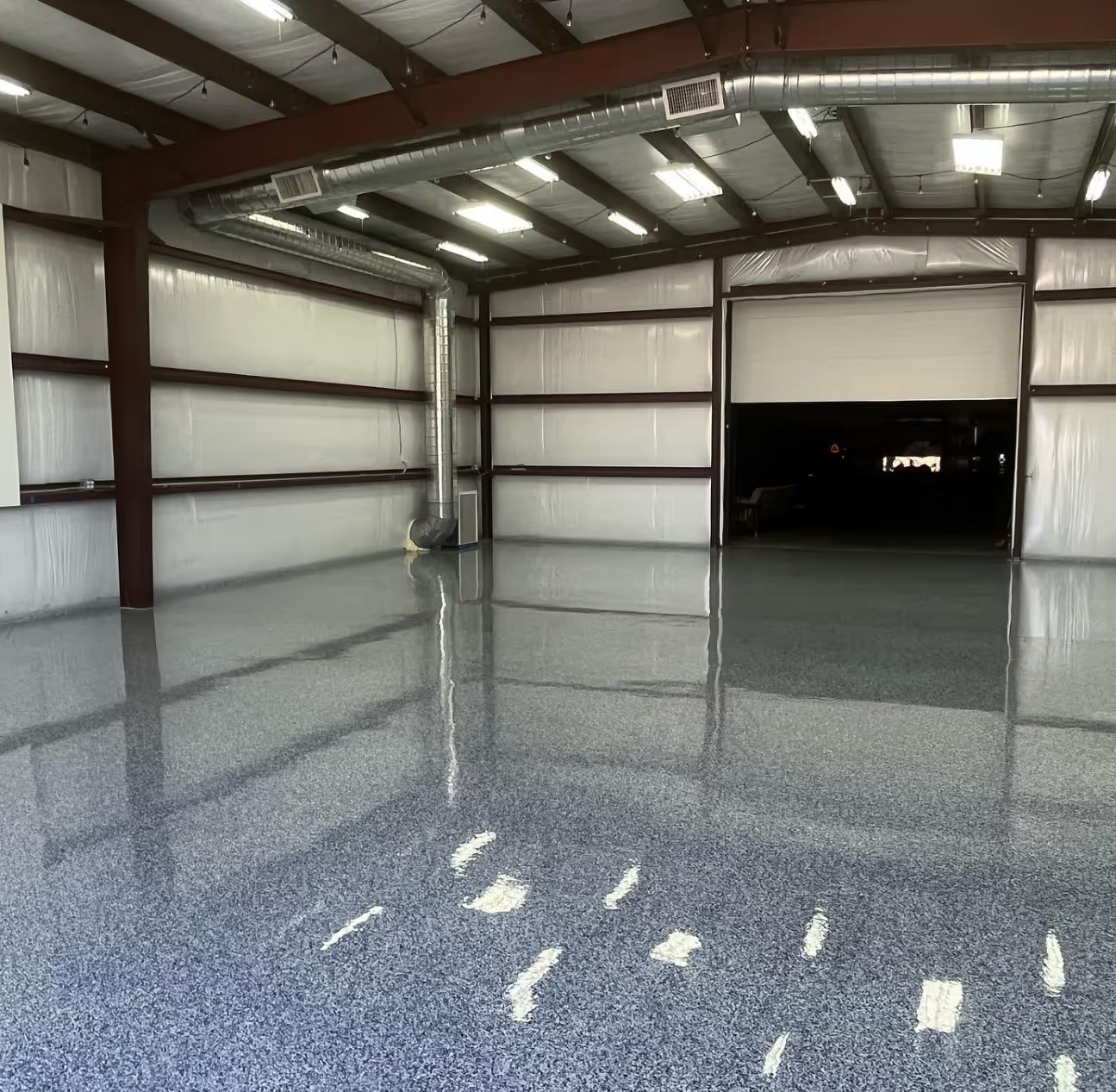
The flake system is built in layers: a 100% solids epoxy base, polymer flakes broadcast across it until the surface is covered, the excess scraped back once cured, then two coats of UV stable polyaspartic. The flake is what gives the floor its texture, and the topcoat is what takes the wear.
That texture is the reason flake suits a garage. It breaks up the surface enough to give grip when the floor is wet or oily, which a smooth coating does not, and it hides the dust and tire marks that a plain color shows immediately. It handles foot traffic, car traffic and the occasional dropped tool.
Cleaning is a dust mop and an occasional damp mop, with no waxing or stripping of the kind vinyl needs. The flake range is wide enough to match an interior or a set of brand colors, and the finished look is closer to terrazzo than to a painted floor.

Hot tire pickup is what lifts a cheap garage coating: a hot tire softens the surface and takes a patch of it away when the car moves. A polyaspartic topcoat over a 100% solids epoxy base does not soften at the temperatures a Phoenix tire reaches.
The cured surface is non-porous and has no seams, grout lines or control joints left open, so oil and spills sit on top and wipe off. A dust mop and an occasional damp mop with a pH neutral cleaner is the whole routine.

Epoxy on its own yellows in sunlight, which is why we never leave it as the top layer. The two polyaspartic coats are UV stable, so the strip of floor inside an open garage door holds the same color as the rest of it.
Concrete is strong in compression and weak everywhere else: porous, prone to dusting, and quick to stain. Bonding a resin system into the top of it closes the surface, so the slab stops absorbing what gets spilled on it and stops shedding dust.
Six steps, in this order, on every garage floor we install in Phoenix. The first two matter most: almost every coating failure traces back to preparation, not to the resin that went on top of it.
We start by mechanically grinding, profiling, and vacuuming the concrete garage floor to ensure the strongest adhesion possible.
No matter the damage, we repair every crack and hole in the garage floor.
We apply a base coat for flake flooring and 100% solids epoxy or primer coat for metallic epoxy.
For flake flooring, we broadcast the polymer flakes to provide even color and texture. For the metallic floor, we apply the metallic color coat. For 100% solids epoxy, we apply the second coat.
For flakes, we scrape off all excess bits to prepare the floor for the final step.
We finish with two coats of UV-stable polyaspartic topcoat.
Epoxy flake: $5–8 per sq ft · metallic: $10–18 per sq ft. The final price depends on the slab condition, the size of the area and the location.
The questions we get asked most often on a garage floor quote, answered properly.