Thank you! Your submission has been received!
Oops! Something went wrong while submitting the form.


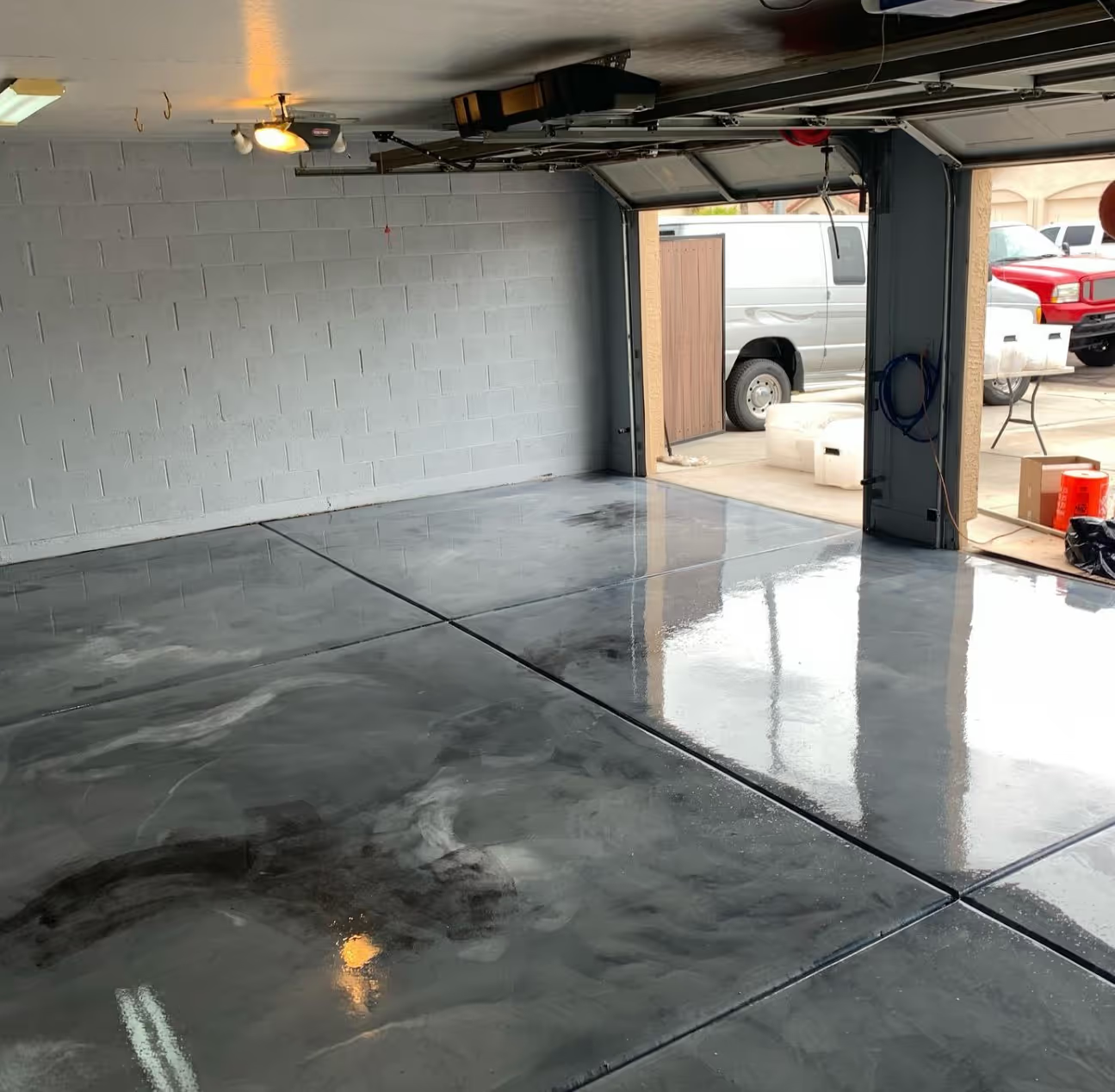
Flagstaff garages take snow, cinders and road de-icer all winter. Sealing the concrete means all of it stays on the surface, where it can be washed off instead of absorbed.
Call (602) 820-7739Everything the road does to a vehicle ends up on the garage floor.
A car comes home loaded: packed snow in the wheel arches, cinders in the treads and a film of whatever was spread on the highway that morning. All of it melts off in the one warm place available, which is the slab the garage is built on.
That runoff is not clean water. Magnesium chloride and salt residue attack concrete directly, pulling moisture in and breaking the surface down from the top. Cinders grind at it under every tire, and the two together strip a bare slab faster than years of dry use would.
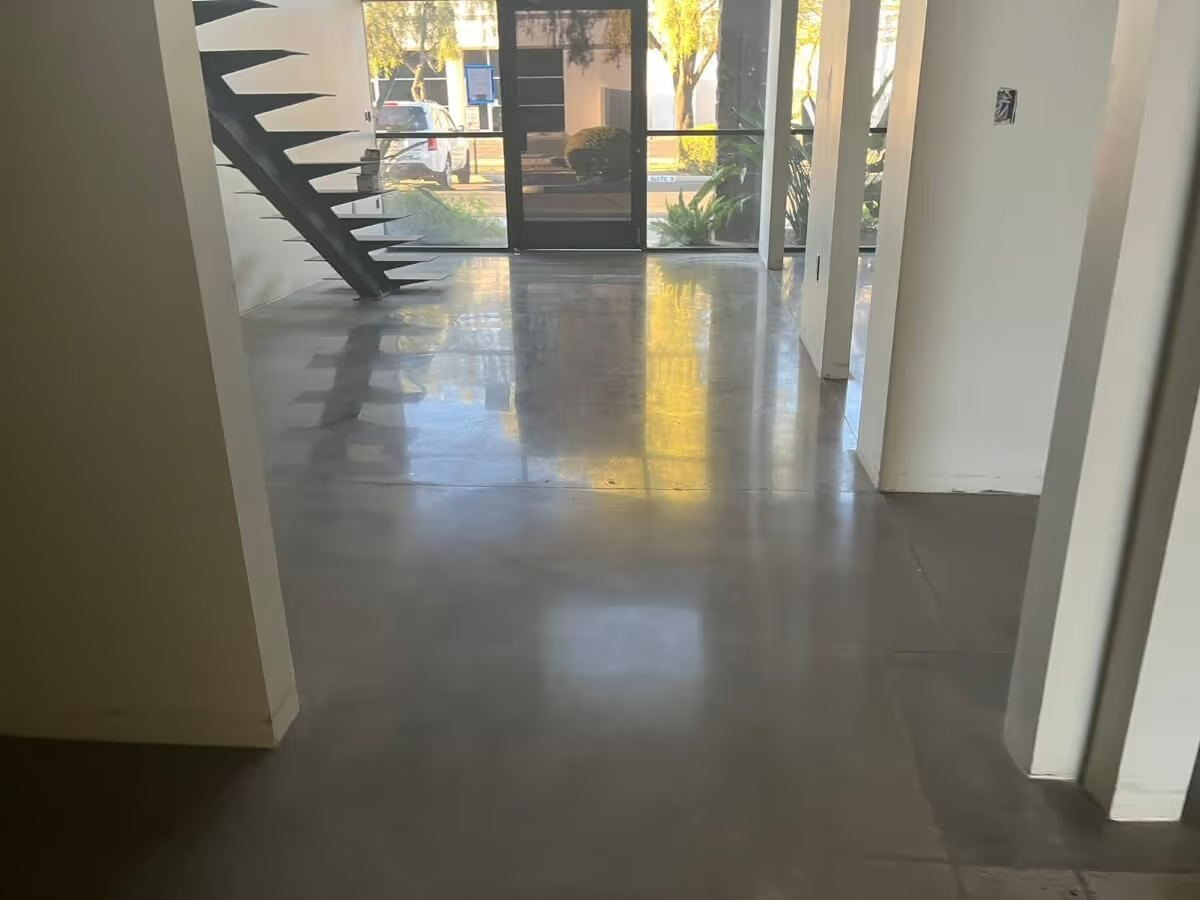
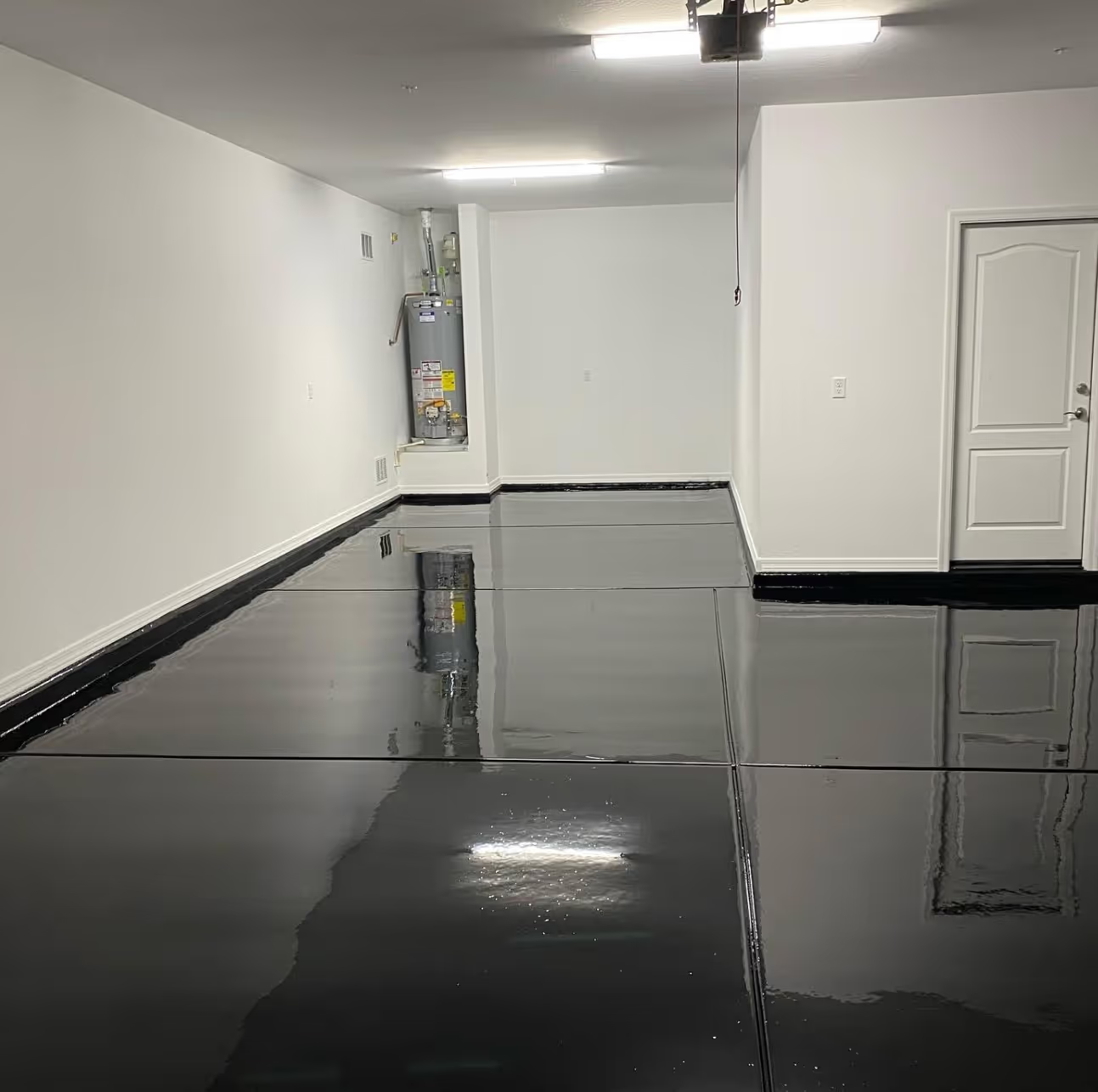
A coated floor stops the chemistry at the surface. Dialed In Epoxy opens the concrete with a diamond grinder, repairs what has already failed, then bonds a resin build over the top so the runoff has nothing to soak into.
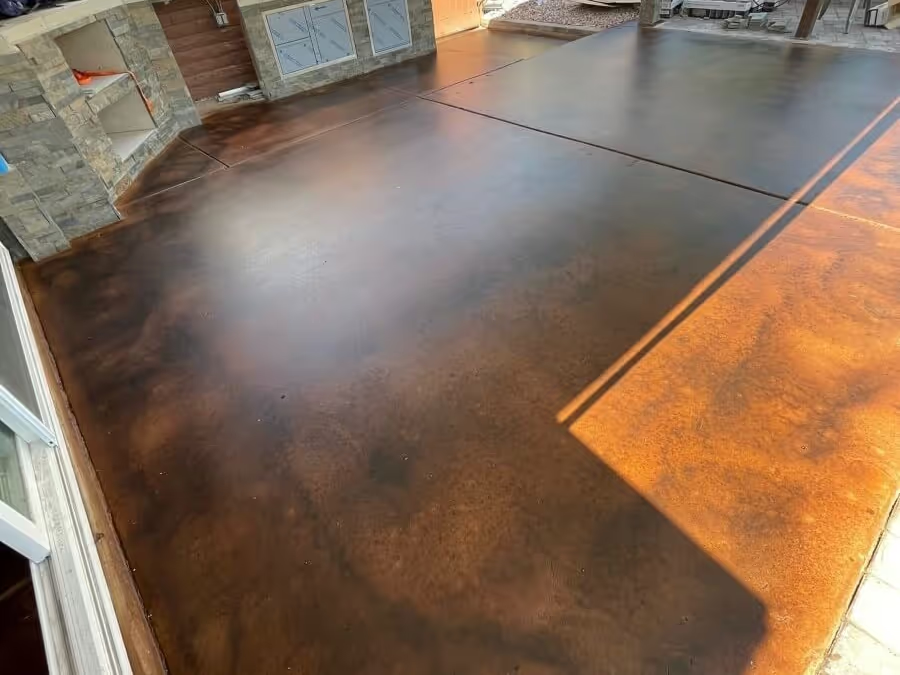
We coat attached garages, heated shops and detached workshops across Flagstaff, and the build is specified around how much winter traffic the space actually takes. Exterior slabs are specified differently again, which concrete coatings for Flagstaff driveways and walkways goes through.
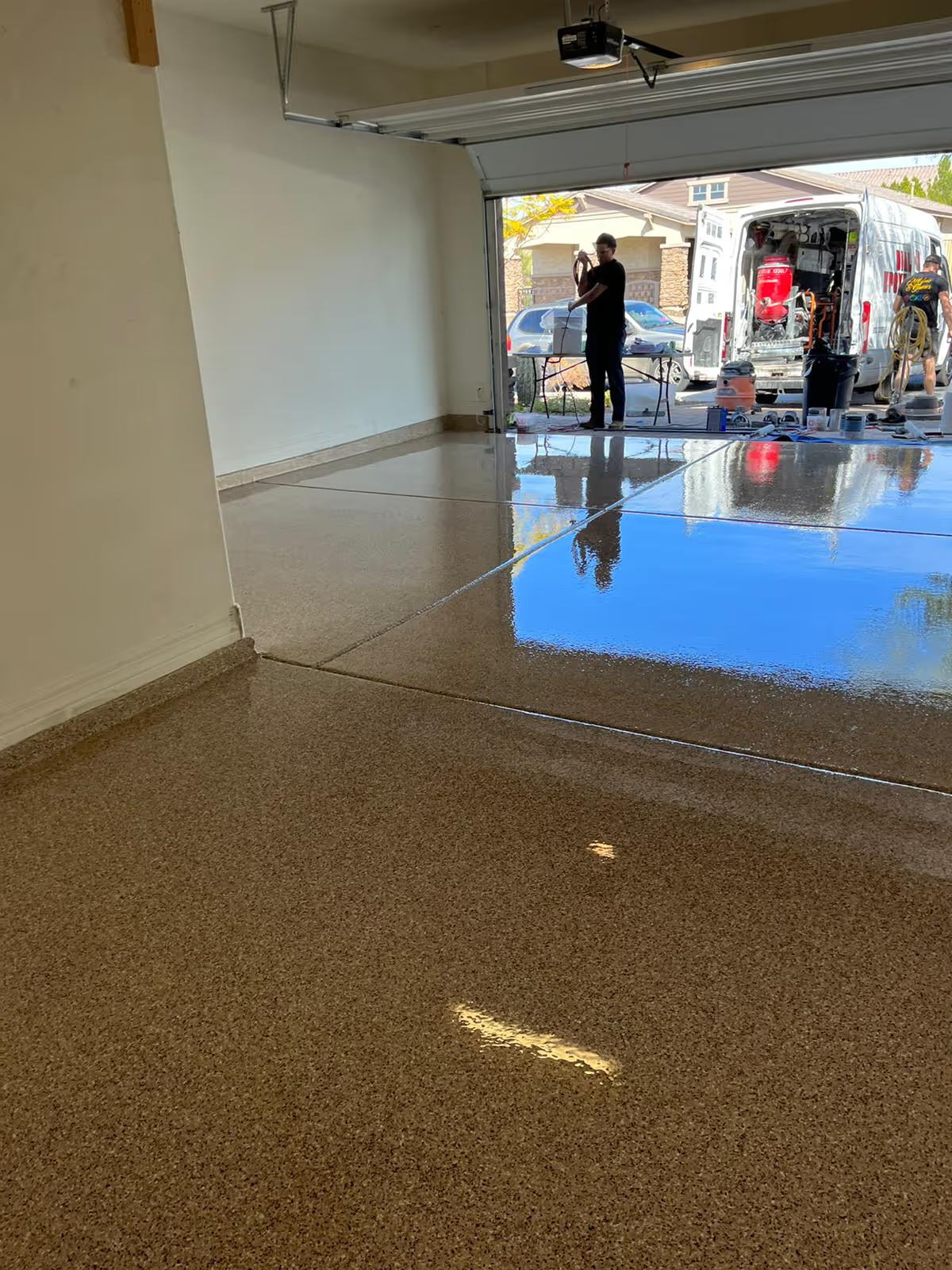
I called to ask some questions about applying an epoxy floor. Kevin was awesome. He spent over 15 minutes on the phone with me helping me with my project. I realized that it was too much for me to take on and I decided to hire him to do the project.
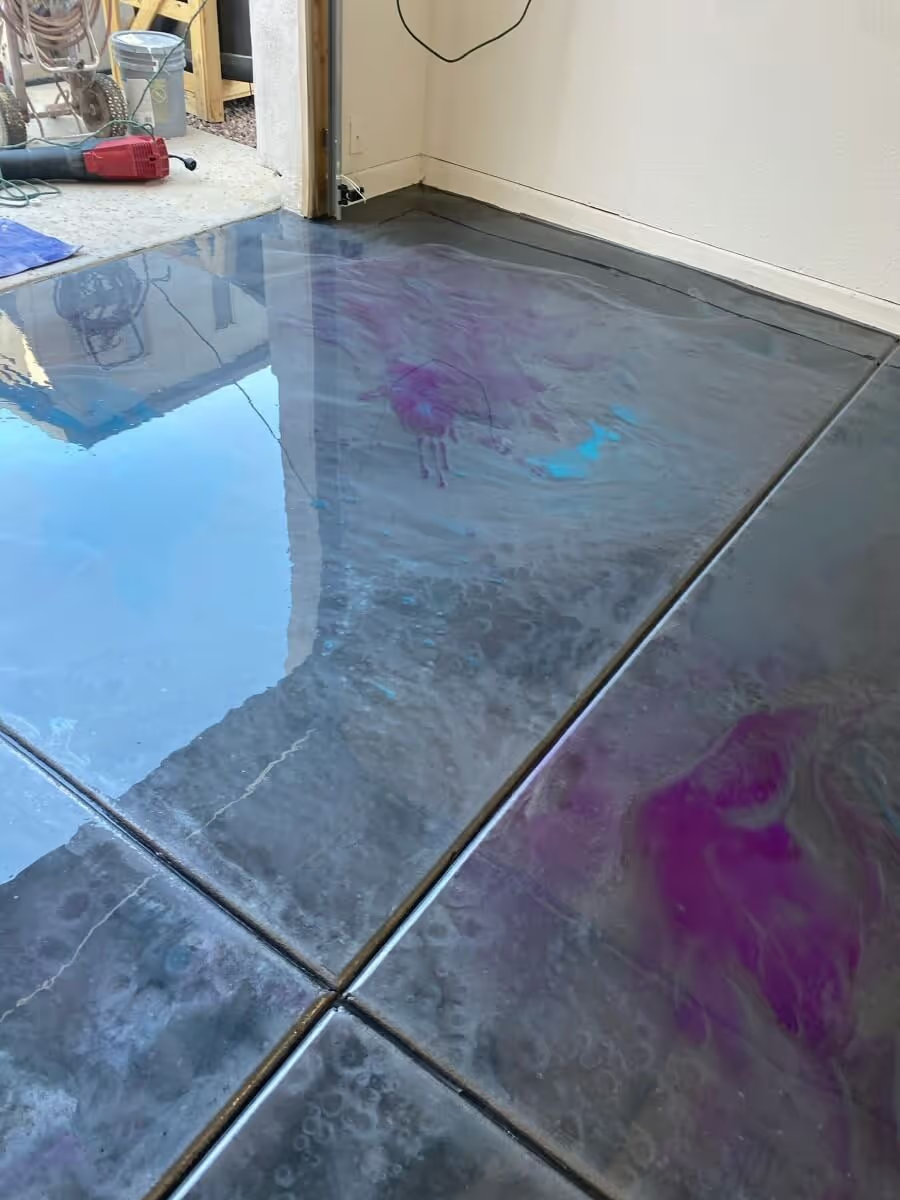
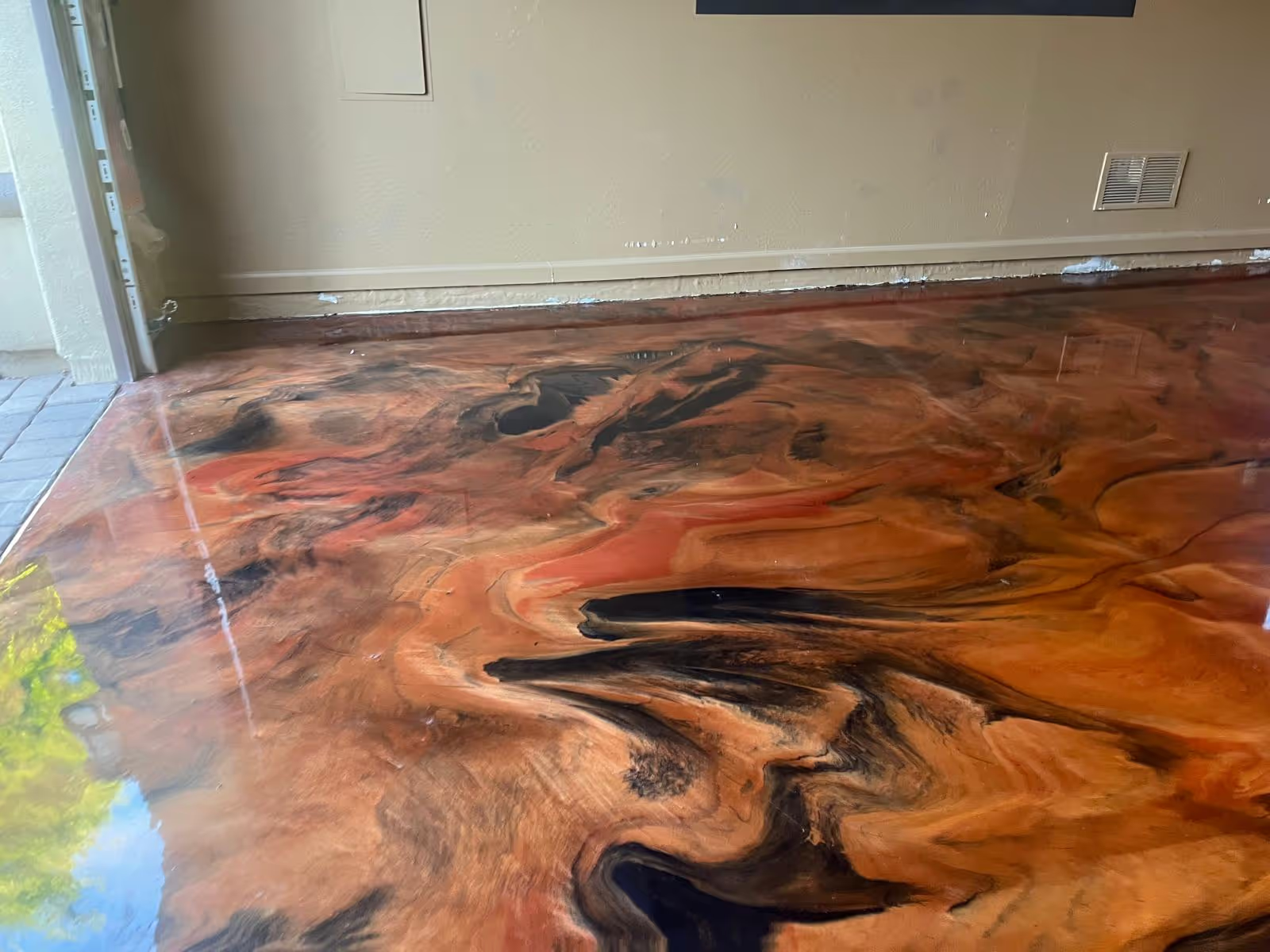
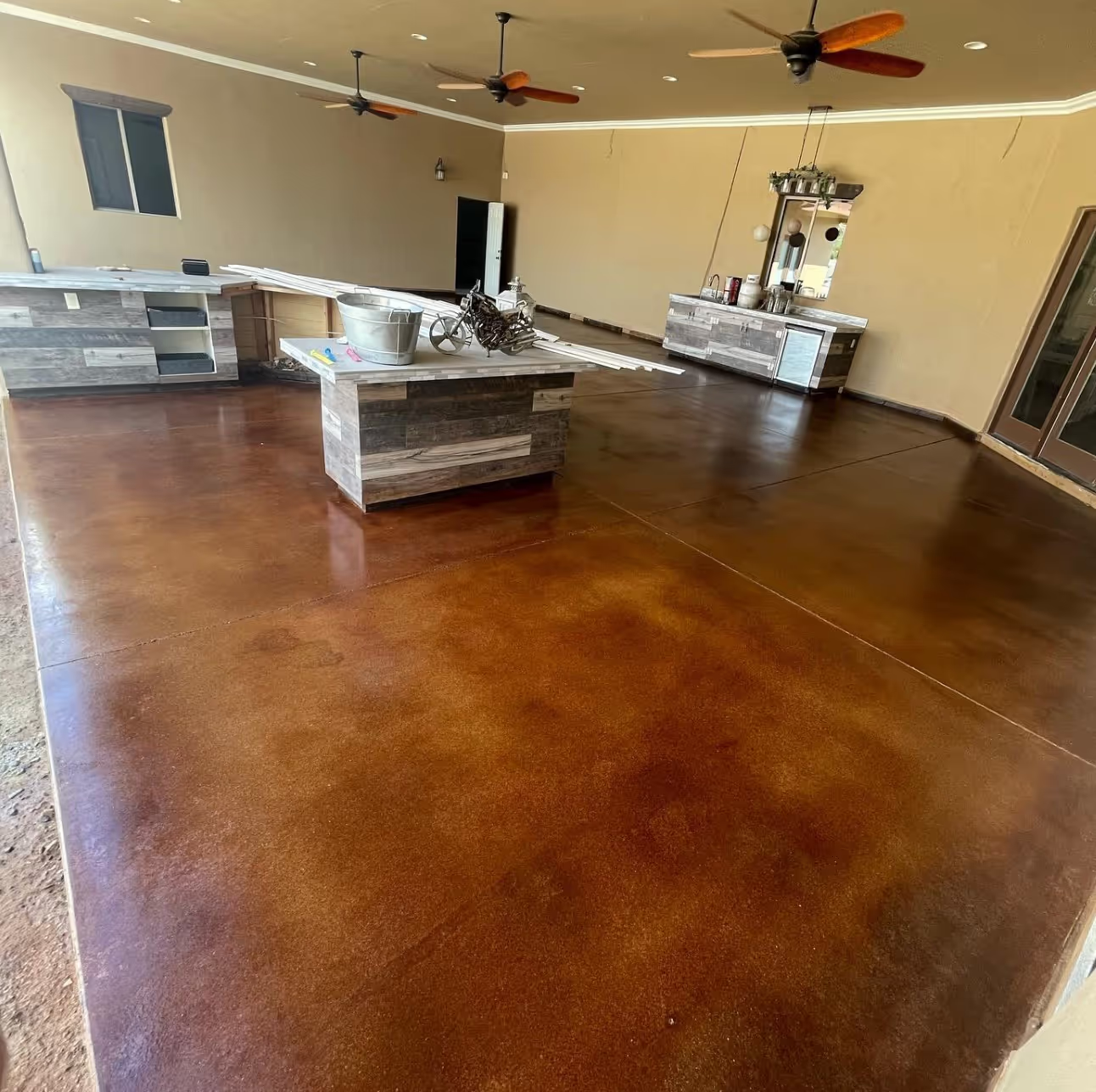
Metallic suits a garage that is part of the house rather than somewhere to leave a truck.
Clear resin carries the pigment, which is worked while wet so it drifts into depth rather than covering flat. Depending on the palette the result lands somewhere between polished stone and weathered metal.
The pattern belongs to the pour, so it cannot be repeated exactly and no two floors match. It is easy to steer toward colors already used in a home, and it keeps its appearance in a room that swings from below freezing to warm within an afternoon.
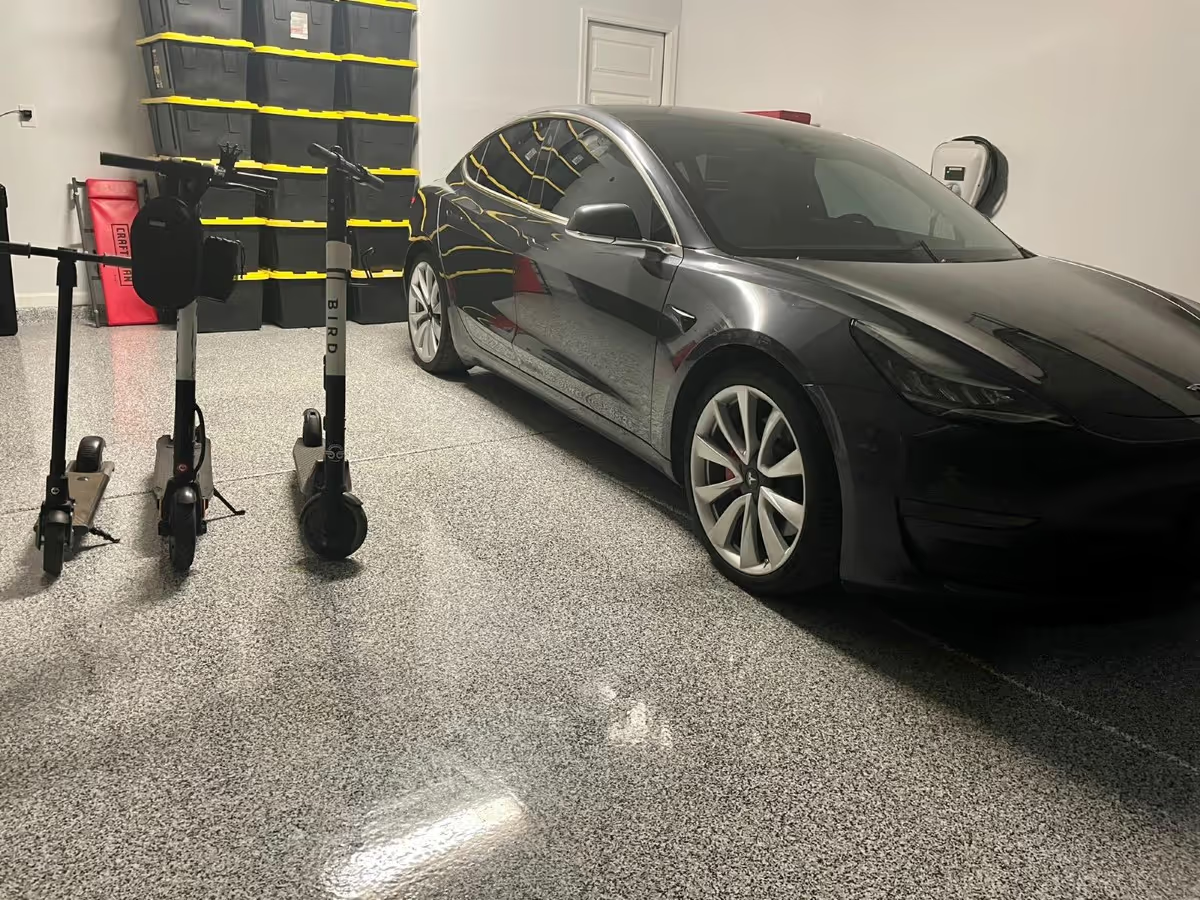
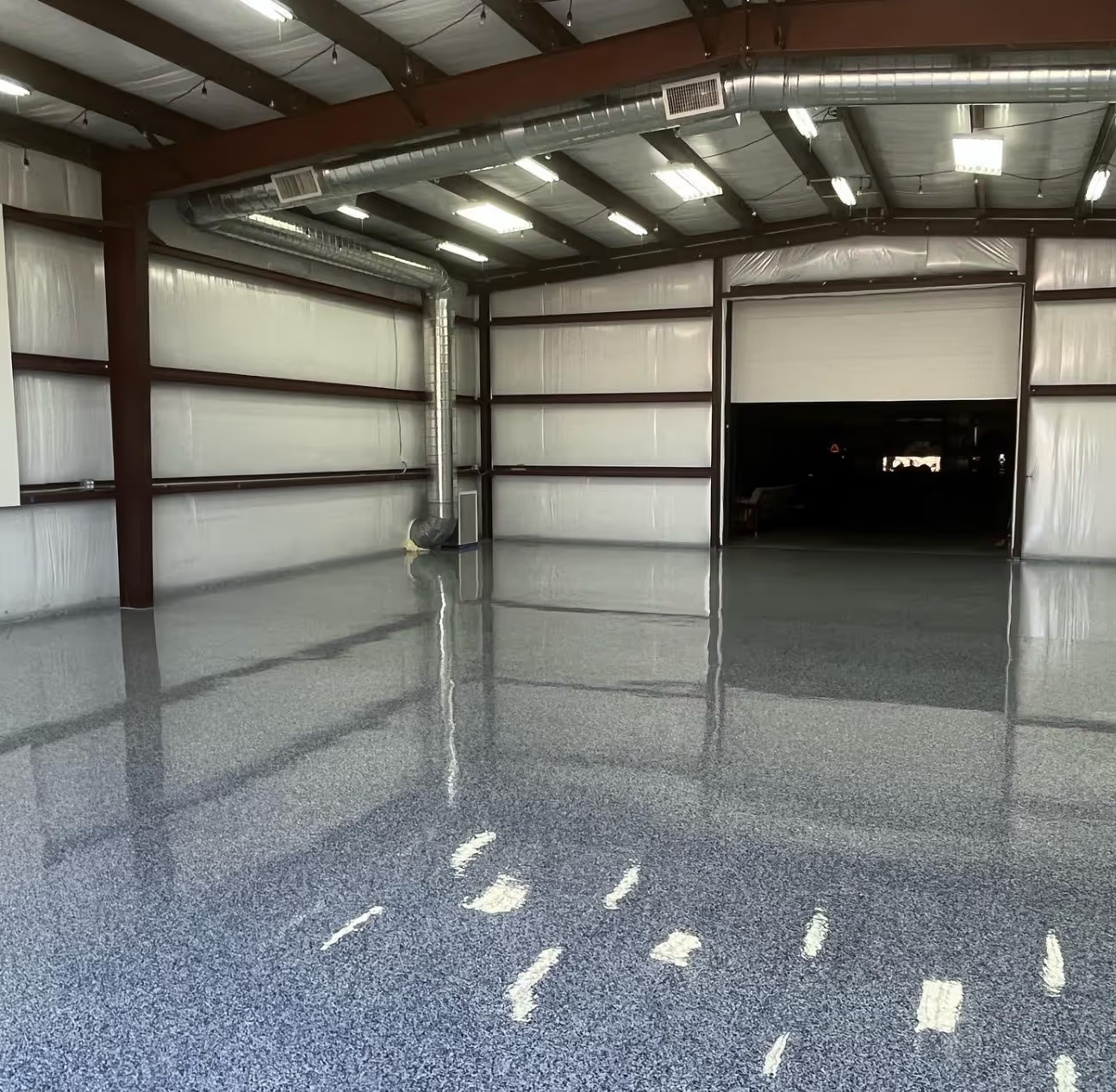
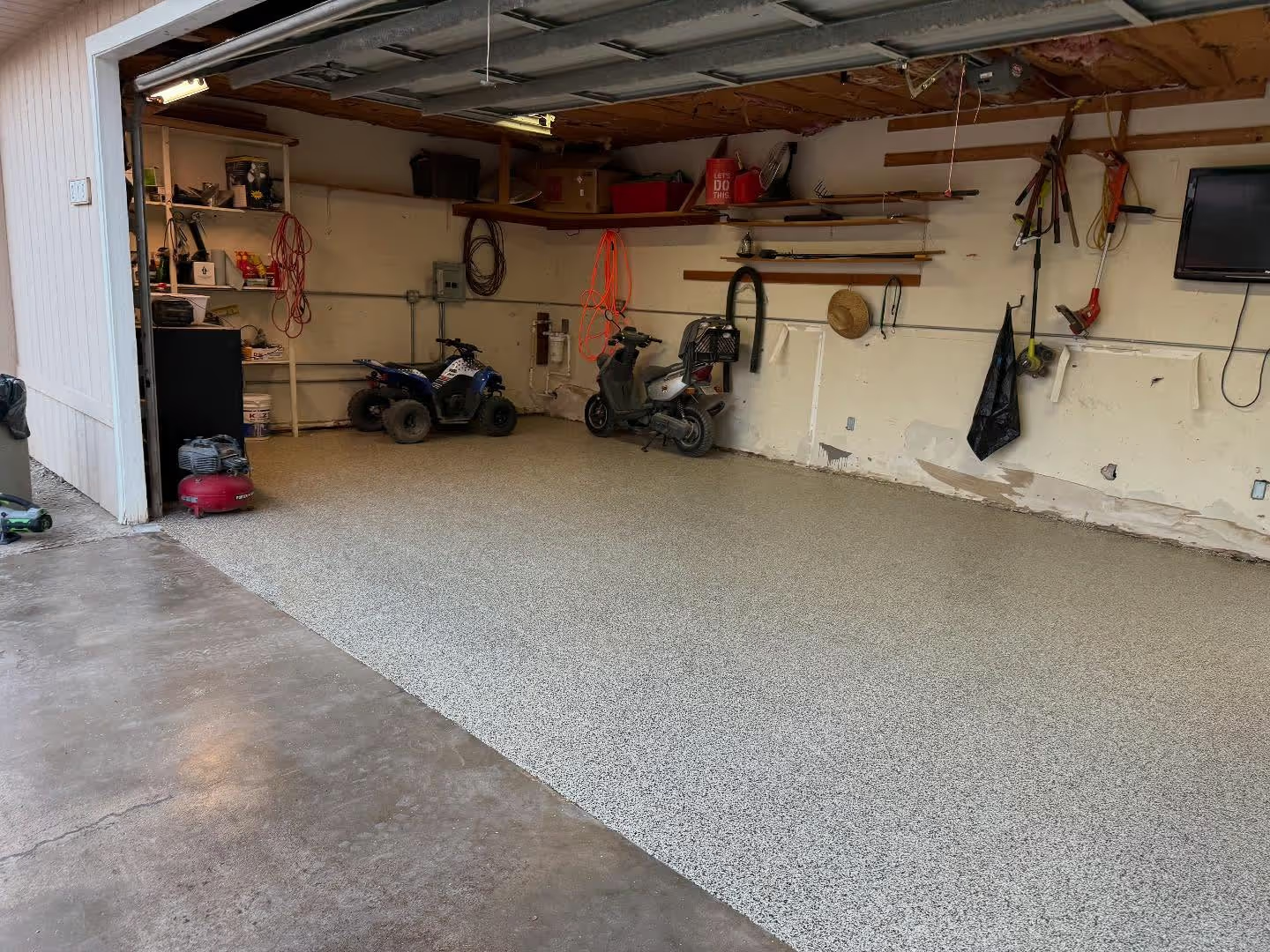
Flake is the finish we recommend for a Flagstaff winter.
The build runs in layers: flake thrown into the wet base coat, scraped back once cured, then sealed twice with polyaspartic that resists chemical attack from road treatment.
Its texture is the safety feature. A floor covered in meltwater is where people slip, and a scraped flake surface keeps traction where a smooth coating would not. It also stands up to chloride residue, antifreeze and the abrasion of cinders carried in on tires.
Upkeep is rinsing the winter runoff away and mopping with a mild detergent. Nothing gets waxed, and the coating can continue into a mudroom entry or a shop bay so the whole space cleans the same way.

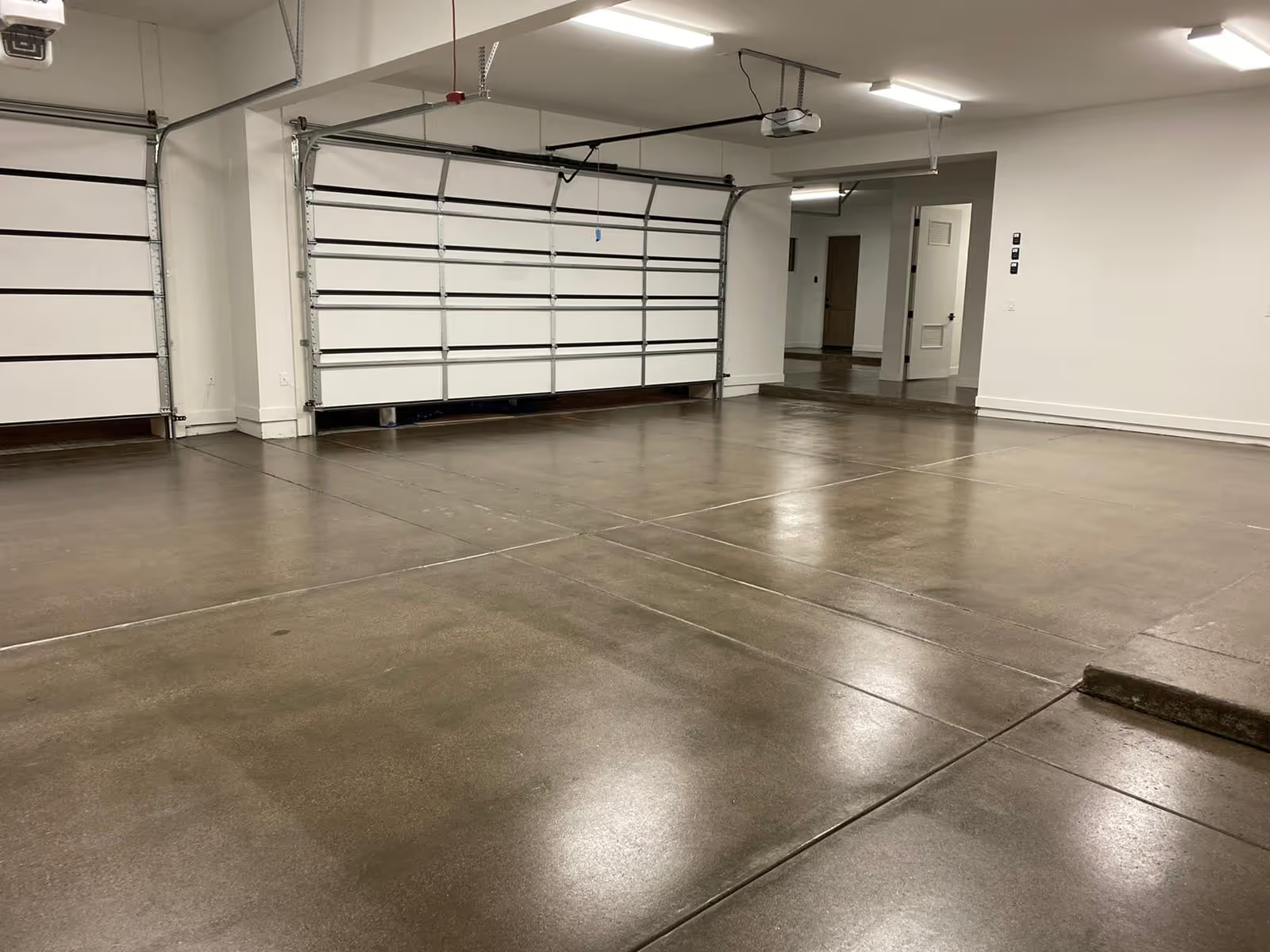
The film is dense and thick enough that cinder grit, dropped firewood and studded tires do not cut into it. It resists the moisture, salt and de-icer coming off a vehicle all winter, along with hot tire marks in summer.
Nothing soaks in once the slab is closed, so the winter routine is a rinse and a mop instead of scrubbing. Clearing the runoff before it dries is what stops chloride residue building into a haze across the floor.

The top coats are fully UV stable, which counts at this elevation because the light is harsher than it is down in the Valley. Underneath, the base coat blocks vapor from a cold slab, the usual reason a coating blisters up here.
Concrete under a de-icing regime does not fail gently. Water and chloride get in, freeze, and take the surface apart from within. A cured resin layer keeps both out, so the slab is not being asked to serve as a wear surface.
Every Flagstaff floor follows the same six stage build, from mechanical preparation to the last seal. What the weather changes is the schedule and the working conditions, never the specification of the floor itself.
We start by mechanically grinding, profiling, and vacuuming the concrete garage floor to ensure the strongest adhesion possible.
No matter the damage, we repair every crack and hole in the garage floor.
We apply a base coat for flake flooring and 100% solids epoxy or primer coat for metallic epoxy.
For flake flooring, we broadcast the polymer flakes to provide even color and texture. For the metallic floor, we apply the metallic color coat. For 100% solids epoxy, we apply the second coat.
For flakes, we scrape off all excess bits to prepare the floor for the final step.
We finish with two coats of UV stable polyaspartic topcoat.
These three questions come up on almost every Flagstaff garage we quote.

If you want to protect your concrete floor from damage, improve safety, and keep your space looking its best, give us a call or fill in our FREE quote form.

Phoenix, Peoria, Scottsdale, Mesa, Gilbert, Tempe, Glendale, Chandler, Queen Creek, Ahwatukee, San Tan Valley, Maricopa, Avondale, Paradise Valley, Tolleson, Wickenburg, Gold Canyon, Goodyear, New River, Prescott, Fountain Hills, Desert Ridge, Sedona, Surprise, Litchfield Park, Cave Creek, Apache Junction, Buckeye and the rest of Arizona.